
What Emily in Paris Gets Wrong About Marketing (And Why It Matters)
I love Emily in Paris. I really do.
The outfits. The chaos. The confidence. The fact that she lands billion-dollar brand deals with one Instagram caption and a baguette in hand.
But as someone who actually works in marketing, I need to say this out loud.
Emily in Paris is wildly unrealistic about how marketing works.
With the latest season out and everyone suddenly feeling inspired to “just post and go viral,” let’s talk about what the show gets wrong, what it oversimplifies, and what brands should actually take away from it.
No spoilers. Just honesty.
Marketing is not solved with one viral post
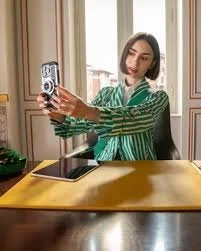
On the show, Emily posts something spontaneous and suddenly:
The client is saved
The brand goes global
Everyone applauds
In real life, one viral post means… maybe a spike in views and then back to reality.
Marketing doesn’t work because of one post. It works because of:
Strategy
Consistency
Repetition
Distribution
Virality without a plan is just noise.
This is why brands that rely on “hoping something hits” usually stall out, and why a clear marketing strategy matters more than chasing moments.
Clients do not approve ideas in five minutes

Emily pitches an idea in a room. Everyone gasps. It’s approved immediately. Champagne.
In real marketing:
There are revisions
Stakeholders
Legal
Budget conversations
And at least one person who says, “Can we make the logo bigger?”
Good ideas take time to align with brand goals, messaging, and audience expectations.
The show makes marketing look impulsive. Real marketing is intentional.
And honestly, that’s where most brands get frustrated when expectations are based on TV instead of reality.
Personal branding does not equal business strategy

Emily’s personal brand magically becomes the brand strategy.
That’s not how it works.
Personal branding can support a business, but it doesn’t replace:
Positioning
Messaging
Audience research
Conversion paths
A lot of brands see Emily and think, “We just need to show up more online.”
Showing up is step one. Knowing why you’re showing up and what you’re leading people toward is the real work.
This is something we explain often when brands confuse visibility with growth, and it’s usually a sign they need a more intentional social media strategy.
Marketing is not glamorous most of the time

Emily’s job looks chic. Cafés, events, fashion closets, dramatic client dinners.
Real marketing includes:
Analytics
Performance reviews
Testing content that flops
Tweaking messaging
And figuring out why something didn’t convert
It’s not boring, but it’s not all aesthetics either.
What the show skips is the backend thinking that actually makes campaigns work. The systems. The strategy. The follow-through.
That’s the difference between looking like you’re doing marketing and actually doing marketing.
Results don’t happen overnight

One of the most unrealistic parts of Emily in Paris is how fast results happen.
Campaigns convert instantly. Audiences respond immediately. Problems resolve in a week.
In reality:
Marketing compounds
Trust builds over time
Momentum comes from consistency
When brands expect overnight wins, they usually give up too soon or jump strategies too quickly.
This is why we always remind clients that marketing isn’t about quick fixes. It’s about building something sustainable.
What Emily in Paris actually gets right
To be fair, the show does get a few things right.
Attention matters
Creativity matters
Confidence matters
Storytelling matters
Emily isn’t wrong for believing in bold ideas. She’s just missing the structure that makes those ideas work long-term.
And that’s where real marketing lives.
So what should brands take away from this?

If Emily in Paris inspires you to:
Show up more confidently
Think creatively
Take risks
That’s great.
Just don’t let it convince you that marketing is easy, instant, or accidental.
The brands that grow are the ones that pair creativity with strategy.
That’s the difference between a moment and a business.
If you’re interested in how pop culture influences real-world marketing, I also broke down four marketing strategies brands can learn from the Kardashians.
Need help making your marketing work in real life?
If you’re posting consistently, trying ideas, and still feeling like something isn’t clicking, it’s probably not an effort issue.
It’s usually a strategy issue.
That’s exactly what we help brands solve through strategic marketing and content planning that actually connects visibility to results.
Final thoughts
Emily in Paris is fun. Real marketing is more complex.
Both can exist.
Just don’t confuse television timelines with real-world growth.
And if you ever find yourself wondering why your brand doesn’t blow up after one post, congratulations. You’re doing real marketing.